
What does it really take to raise capital for a medical or life science startup? According to biotech entrepreneur Dr. David Ferrick, great science is only part of the equation. The right team, timing, customer demand, and an ability to learn from failure can be just as important.
After months of trying to raise money for his first startup, Dr. David Ferrick found himself having breakfast with John Callahan, a local businessman who had been mentoring him.
They had met regularly for several months, discussing Ferrick's plans to build a company focused on discovering cancer-causing genes.
One morning, Callahan handed him a check for $50,000.
"We've done enough talking," Callahan told him. "Here's $50,000. Go find a bank, go incorporate, and go get some money."
Ferrick had spent years working as a scientist, but he knew very little about starting a company. That first check helped set him on the path toward building Sagres Discovery, a biotech startup that eventually raised $25 million and was acquired by Chiron.
It was one of several stories Ferrick shared during Raising Capital for Medical Innovation, a workshop hosted by MedStart in partnership with Sacramento State and the Carlsen Center for Innovation & Entrepreneurship on October 22, 2026.
His central message was that fundraising isn't simply about convincing investors that your technology works. It's about building a company that investors believe can succeed.
From UC Davis Professor to Biotech Entrepreneur
Ferrick's background is unusual, even by biotech standards.
He earned his Ph.D. in immunology from Georgetown University, trained in the laboratory of pioneering immunologist Dr. Tak Mak, and joined UC Davis as a professor in 1990.
With more than 150 peer-reviewed publications and 20 patents, he had an established scientific career. But he had no formal business training.
His introduction to entrepreneurship came through an unexpected project involving marine mammals.
At UC Davis, Ferrick helped develop diagnostic tools to study the immune systems of dolphins, seals, and killer whales. The work created a practical need for specialized testing services, giving him an early introduction to translating scientific research into something customers would pay for.
Another turning point came when he received funding for a $750,000 cell-sorting instrument. The university wanted the equipment made available to other researchers, which meant figuring out how to operate a shared research facility.
These experiences changed how he thought about science.
Instead of simply publishing discoveries, he began to appreciate the challenge of turning scientific capabilities into practical solutions.
In 1997, Ferrick left his tenured position at UC Davis to become one of the first employees at Rigel Pharmaceuticals.
Over the following three decades, his career would take him through Rigel Pharmaceuticals, Sagres Discovery, Guava Technologies, Seahorse Bioscience, Agilent Technologies, Axion BioSystems, Cellsonics, and his latest venture, Moddik.
Along the way, he helped raise capital, develop new technologies, build commercial markets, negotiate pharmaceutical partnerships, and navigate acquisitions.
His presentation offered six particularly useful lessons for founders.
1. Investors Back Teams, Not Just Technology
One of Ferrick's earliest lessons came at Rigel Pharmaceuticals.
Rigel was developing a new approach to drug discovery using living cells rather than relying primarily on biochemical tests. The technology offered the potential to identify better drug candidates and dramatically reduce development timelines.
The science was impressive, with technology originating from prominent researchers, including Nobel laureate David Baltimore's laboratory.
But scientific credibility alone wasn't enough to secure financing.
The breakthrough came when biotech veteran Jim Gower agreed to become CEO.
Gower had played a major role in Genentech's commercial development and had established relationships throughout the pharmaceutical industry and investment community.
His involvement helped Rigel secure a $20 million financing round.
The lesson was straightforward: investors needed confidence not only in the science, but also in the people responsible for turning that science into a business.
Ferrick saw the same principle throughout his career.
A founder might be an exceptional scientist without being an experienced CEO, commercial leader, or financial operator. Recognizing those gaps and recruiting the right people can substantially improve a company's ability to raise capital.
The takeaway for founders: Before approaching investors, evaluate your management team as carefully as your technology. If you lack commercialization, regulatory, or operational experience, consider bringing in someone who has successfully navigated those challenges.
Sometimes the most important fundraising milestone isn't a scientific result. It's a key hire.
2. Raise Capital to Eliminate Risk, Not Just Fund Operations
Life science startups face multiple forms of risk.
There is scientific risk: Does the underlying discovery actually work?
There is technical risk: Can the technology be developed into a reliable, reproducible product?
And there is commercial risk: Will customers, physicians, health systems, or pharmaceutical companies actually adopt and pay for it?
Ferrick emphasized that these risks change as a company develops. The job of a founder is to determine which risk matters most at each stage and use available capital to reduce it.
Rigel offers an interesting example.
When the company was founded, the team believed its approach could dramatically shorten the traditional drug development timeline. It anticipated reaching the market in four to six years.
The reality was very different.
Rigel's first approved drug arrived in 2018, approximately 22 years after the company's founding.
The company ultimately achieved important successes, but the journey took far longer than anticipated.
The experience illustrated the danger of confusing scientific progress with commercialization readiness.
Investors want to know what their money will accomplish. A funding round should move the company toward a meaningful milestone that makes it more valuable and less risky.
For a medical technology startup, that might mean completing a working prototype, demonstrating reproducibility, obtaining regulatory clearance, or securing a commercial partner.
For a therapeutic company, it might involve preclinical data, manufacturing readiness, or clinical results.
The takeaway for founders: Don't simply tell investors how much money you need and how long it will last. Show what specific uncertainty that money will eliminate and why achieving that milestone makes the next financing easier.
3. Great Science Can Still Lose to Bad Timing
Perhaps one of the most revealing examples came from Sagres Discovery, the company Ferrick co-founded in 1999.
The timing initially appeared ideal.
The Human Genome Project was transforming biotechnology, researchers were gaining access to unprecedented genetic information, and pharmaceutical companies were actively searching for new cancer drug targets.
Sagres assembled an experienced team with capabilities in cancer biology, genomics, drug development, and pharmaceutical partnerships.
The company developed methods to identify cancer-causing genes using animal models and validate their relevance to human tumors.
Investors responded. Sagres raised approximately $25 million, and the company developed an extensive portfolio of promising cancer targets.
Then the market changed.
In 2002, pharmaceutical companies began demanding considerably more evidence before entering drug-development partnerships.
Previously, promising preclinical discoveries might have been sufficient to attract a partner. Increasingly, pharmaceutical companies wanted candidates that had already demonstrated results in human trials.
That shift dramatically changed the economics for companies like Sagres.
The company had built its business model around identifying and validating early-stage drug targets, then partnering with pharmaceutical companies to advance them.
Suddenly, the bar for those partnerships had moved.
Despite the scientific progress, Sagres struggled to raise its next financing round.
It was acquired by Chiron in 2003, generating a modest return for early investors. Some of the biological targets it identified would later contribute to commercial drug-development efforts.
The science had value, but the company's original financing and commercialization strategy could no longer support its ambitions.
Ferrick later acknowledged that he would have benefited from recruiting a more experienced operating CEO earlier.
The takeaway for founders: A strong technology doesn't insulate a startup from changes in investor expectations, industry economics, or the regulatory environment.
Build contingency plans. Understand alternative funding and partnering strategies. And don't assume the financing environment that exists today will still be there when you need your next round.
4. Let Customers Help Build the Product
Ferrick's experience at Seahorse Bioscience demonstrated another principle: the market should help shape the technology, not simply receive it after development.
Seahorse initially developed a system using infrared cameras to measure heat production in mice, with applications in obesity and pharmaceutical research.
The company sold approximately 40 systems before demand largely disappeared.
Rather than continue pushing an underperforming product, the team redirected its efforts toward measuring cellular metabolism.
The result was the Seahorse XF platform, which allowed scientists to measure metabolic activity in living cells in real time.
But the technology wasn't developed in isolation.
Founder and CEO Jay Teich brought customers into the design process. Their input helped shape a measurement approach that became central to the product's intellectual property.
In another unusual decision, Seahorse hired an experienced sales leader well before its instrument was ready for market.
Why hire someone to sell a product that doesn't exist yet?
Because that person could continuously bring customer needs, objections, and commercial realities back to the engineering and scientific teams.
It kept the company focused on developing something customers would actually buy.
Building the market was no small undertaking.
Researchers had to be educated about why measuring live-cell metabolism mattered. Seahorse invested heavily in scientific education, demonstrations, and relationships with influential researchers.
Ferrick described a market that grew from approximately $20 million to $400 million, with Seahorse becoming a dominant provider.
In 2015, Agilent Technologies acquired Seahorse Bioscience.
The takeaway for founders: Customer discovery shouldn't stop after you write your business plan.
Involve potential customers in product development. Find out how they actually work, what problems frustrate them, and what they are willing to pay to solve.
And remember that some technologies require creating demand through education, not simply capturing an existing market.
5. Fundraising Is About Relationships, Not Mass Pitching
During the question-and-answer session, an audience member raised a practical concern.
Ferrick's stories involved well-known scientists, experienced CEOs, and established venture capital firms. What about founders who don't have those connections?
Ferrick acknowledged that fundraising is difficult, even with experience.
His advice was to approach it systematically, but not treat it as a numbers game where success comes from sending out the largest possible number of pitch decks.
Instead, he recommended having meaningful conversations with a smaller number of investors.
Rather than immediately trying to sell the company, founders should learn what investors are looking for, understand their investment criteria, and determine whether the opportunity fits.
An investor's rejection doesn't necessarily mean the science or company is bad.
Venture firms invest according to specific strategies, portfolio requirements, funding stages, and market expectations.
Ferrick estimated that he might need 30 to 50 serious investor meetings to finance a new venture, supported by a much larger number of introductory conversations.
The relationships developed during that process can become valuable even when an investor declines to participate.
An investor who passes today might provide useful feedback, introduce another investor, or participate in a future financing round.
Ferrick also shared how Sagres eventually attracted institutional financing.
The venture arm of GlaxoSmithKline, SR One, expressed interest and indicated it would invest $10 million if he secured a lead investor.
That commitment helped attract Forward Ventures, which ultimately helped make the financing possible.
Once a credible lead investor was involved, other investors became much more interested.
The takeaway for founders: Research investors before approaching them. Understand their investment thesis, develop relationships, and be willing to learn from rejection.
A good investor conversation should be valuable even if it doesn't result in a check.
6. Build the Commercial Strategy Into the Company From Day One
Ferrick's later career gave him the opportunity to see startups from another perspective: that of a potential acquirer.
After Agilent acquired Seahorse, he helped develop its cell-analysis business through additional acquisitions and corporate development.
That experience reinforced how strategic buyers evaluate companies.
An attractive acquisition target isn't necessarily the company with the most interesting technology.
Buyers also look for technology that fits their strategy, defensible intellectual property, recurring revenue opportunities, and products they can scale through existing commercial channels.
Ferrick is applying many of those lessons to his latest venture, Moddik.
The company is developing a new approach to laboratory sample preparation by incorporating functions normally performed by multiple instruments into modular, consumable-based systems.
Traditional laboratory workflows frequently involve extensive manual handling, specialized equipment, and processes that introduce variability.
Moddik's goal is to simplify those workflows while improving reproducibility.
Rather than build an expensive manufacturing infrastructure from scratch, the company is leveraging capabilities already available through its founding team and partners.
It is also pursuing an initial business-to-business strategy, working with companies that already understand the end customers and have established distribution channels.
That approach could help Moddik reach the market without immediately building a large direct sales organization.
Ferrick's financing strategy reflects the same thinking: raise only what is needed to achieve the next meaningful milestone.
The company's plan progresses from early development partnerships to a seed round, broader commercial partnerships, and eventually direct sales.
The takeaway for founders: Think about commercialization before the product is finished.
Consider who already sells to your intended customers, who might become a strategic partner, and what an eventual acquirer would find valuable.
Capital efficiency isn't just about spending less money. It's about choosing a business model that gets you to meaningful commercial results with less capital.
One Final Lesson: Learn to Be Comfortable With Failure
Ferrick ended his presentation with a message that may have been more important than any specific fundraising tactic.
Entrepreneurs need to learn how to fail.
He recalled struggling with an experiment early in his scientific career. After months of frustration, he approached his professor, unsure how to proceed.
His professor's response was simple:
"Now the learning starts."
The point was that experiments which work exactly as expected often teach us less than those that don't.
Ferrick believes the same principle applies to entrepreneurship.
A failed experiment can reveal a flawed assumption. A rejected investment pitch can expose a weakness in the business model. A product that doesn't sell can help identify what customers actually need.
The mistake isn't necessarily that something failed.
The mistake is failing to learn from it or continuing without making necessary changes.
That perspective requires founders to separate their commitment to solving a problem from their attachment to any particular solution.
Sometimes the original technology needs to change. Sometimes the business model needs to change. Sometimes the founder needs to recruit someone better suited to lead the next stage.
The most successful entrepreneurs are not necessarily those who make the fewest mistakes. They are often the people who recognize problems early and adapt quickly.
What Medical and Life Science Founders Should Do Next
Ferrick's career illustrates why raising capital in the life sciences is so challenging.
Scientific discoveries can take decades to reach the market. Regulatory requirements create additional uncertainty. Technologies can require substantial investment before generating revenue, and financing conditions can change almost overnight.
Yet his experience also demonstrates that founders can take practical steps to improve their chances.
Start with a problem that customers genuinely need solved. Build a team with the scientific, operational, and commercial expertise to address it. Identify the risks investors care about and develop milestones that systematically reduce those risks.
Develop relationships with investors before you desperately need capital. Bring customers into the development process. And be prepared to change your approach when the evidence tells you to.
Perhaps most importantly, don't treat fundraising as the ultimate measure of success.
Raising money gives a startup the resources to build a business. It doesn't prove that the business will succeed.
Ferrick's experience at Rigel, Sagres, Seahorse, and the companies that followed offers a useful reminder that building a successful life science company takes more than promising science. It requires people, timing, execution, patience, and a willingness to keep learning.
And sometimes, it all starts with someone handing you a $50,000 check over breakfast.
Bonus (videos that Dr. Ferrick mentions)
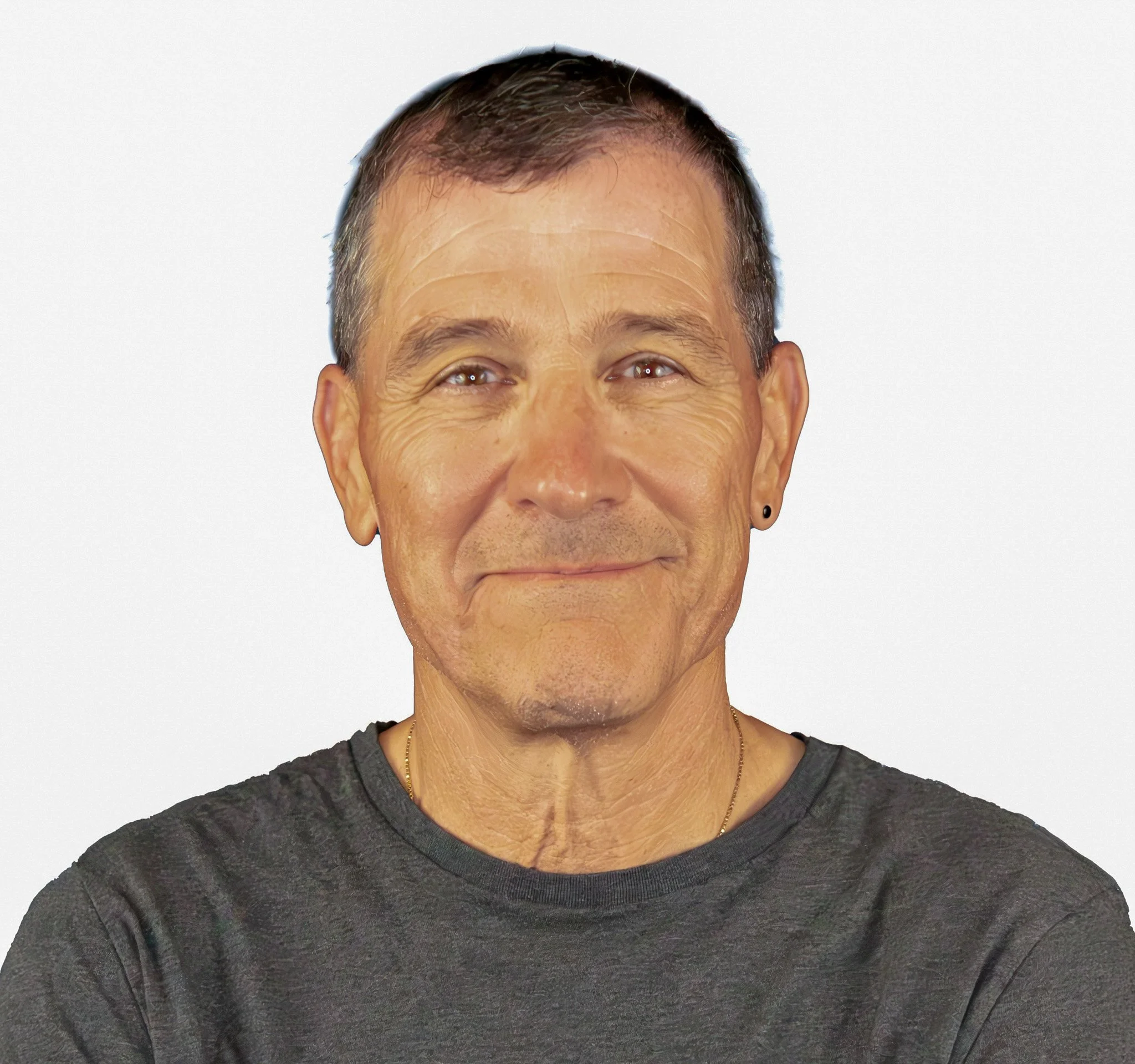
About Dr. David Ferrick
Dr. David Ferrick is a biotechnology executive, scientist, and serial entrepreneur with more than 30 years of experience in life sciences, commercialization, and drug discovery. He co-founded Sagres Discovery, where he raised $25 million and led the company through its acquisition by Chiron. He has also held senior leadership roles at Agilent Technologies, Seahorse Bioscience, Axion Biosystems, and Guava Technologies, and began his career as a professor at UC Davis.
