
From Sports Hydration to Cancer Support: Six Lessons From a Life Science Startup’s Pivoting Journey
Near the top of Cloud’s Rest in Yosemite, two exhausted hikers were facing a problem.
They had been drinking sports beverages throughout the day, but their muscles were still cramping badly. With daylight disappearing and several hours of hiking remaining, one of them asked a simple question:
Why wasn’t the hydration product working?
The answer appeared to be magnesium. The beverage contained other electrolytes, but not enough magnesium to address what they were experiencing. The obvious follow-up question was the one that eventually launched a company:
“Why don’t you put magnesium in it?”
There was one complication. Magnesium tastes terrible.
That challenge sent the founders into kitchens, laboratories, filtration experiments, and early formulation work. Eventually, they produced a magnesium-based hydration beverage they were willing to drink themselves. What began as a solution to a hiking problem would later reach hundreds of retail stores, survive pandemic shutdowns, be reformulated for endurance athletes, and ultimately evolve into a medical food designed to support people receiving chemotherapy.
The journey was anything but linear.
That is precisely why it offers several valuable lessons for medical and life science founders.
The Startup Story We Imagine—and the One We Actually Get
The simplified version of entrepreneurship looks something like this:
Identify a problem.
Build a solution.
Pitch investors.
Raise money.
Scale.
Exit.
It is a great story. It also leaves out most of what actually happens.
Real startups repeatedly return to the problem. Founders interview customers, test assumptions, revise the product, change the business model, run short of capital, recruit new partners, and occasionally discover that the best market for their technology is not the market they originally intended to serve.
The founders behind IGH Naturals experienced nearly every part of that process.
Their original ready-to-drink magnesium hydration product gained traction quickly. It entered approximately 657 stores and began selling through retailers and sports-focused channels. Encouraged by that early success, the company increased production and prepared to scale.
Then stores shut down.
Inventory became trapped in the retail system. Product aged. Contracts stalled. Under a retailer buyback provision the founders had not fully anticipated, unsold inventory was destroyed without reimbursement.
The company faced a familiar startup decision: change or disappear.
Pivot One: Stop Shipping Water
The next opportunity came through endurance athlete James Lawrence, known as the Iron Cowboy.
Lawrence was preparing for an extraordinary athletic challenge involving 100 full-distance triathlons in 100 days. The company provided its magnesium formulation during his training, and Lawrence reported that it helped address the cramping he had experienced with other products.
He also offered some very practical product feedback.
A cyclist covering 100 miles a day did not want to carry bottles of a ready-to-drink beverage. He wanted a powder.
The observation led to the company’s first major pivot: keep the electrolyte formulation but remove the water. The powder would be easier to transport, easier to distribute, and better suited for endurance athletes.
Working with Lawrence and Sacramento entrepreneur Mark Haney, the founders developed and launched a powdered formulation. Lawrence’s following helped open the market, while his detailed preferences shaped the product’s flavors, colors, ingredients, and branding.
The partnership created early demand—but it also created risk.
Lawrence later discovered that another sponsorship agreement restricted his ability to promote a competing electrolyte product. The founders had to separate the product from the athlete’s brand, retain the underlying formulation, and relaunch it independently.
The product survived because the company had built something customers wanted beyond the individual influencer promoting it.
That leads to the first major lesson.
1. Influencers Can Open the Door, but the Product Must Walk Through It
An influential athlete, clinician, or industry leader can help a startup gain attention quickly. That attention can be especially valuable when a company lacks the budget to create broad awareness on its own.
But borrowed credibility is not the same as product-market fit.
The founders benefited from Lawrence’s reputation and audience. When the relationship changed, however, they still needed customers to believe in the formulation itself.
For medical and life science startups, the same principle applies to scientific advisers, institutional partnerships, and well-known physicians. A respected name can secure the first meeting. It cannot substitute for evidence, usability, and a product that delivers value.
My suggestion is to treat influencers as accelerators—not foundations.
Pivot Two: Follow the Unexpected Customer
The company’s next major shift did not come from an investor, consultant, or strategic planning retreat.
It came from nurses and cancer patients.
Clinicians within the founders’ network had begun recommending the magnesium hydration product to patients who were struggling with dehydration and electrolyte loss during chemotherapy. The company then began receiving calls from cancer patients asking when the product would be back in stock.
That created an important question:
Why were cancer patients seeking out a product originally designed for athletes?
Patients undergoing chemotherapy may experience diarrhea, vomiting, reduced fluid intake, mouth sores, and electrolyte loss. Some require additional visits to infusion centers for intravenous fluids and electrolyte replacement.
At the same time, the founders were confronting another business reality. Sports hydration was becoming increasingly crowded. Large companies and celebrity-backed brands could spend far more on distribution, sponsorships, and advertising.
The company could continue fighting for attention in a saturated consumer market—or explore a smaller but much more urgent clinical problem.
The founders chose the clinical problem.
2. Your Best Market May Be the One Using Your Product “Incorrectly”
Founders naturally focus on their intended customer. Sometimes the most useful signal comes from someone outside that profile.
Cancer patients were not the original target for the hydration formulation. Their repeated interest revealed an unmet need that the company had not initially considered.
This is why founders should pay attention to unexpected use cases:
Who is buying the product without being targeted?
Who is recommending it without being paid?
What problem are customers solving that the company did not put in its marketing?
Which customers become concerned when the product is unavailable?
These behaviors can be stronger indicators than survey responses.
The key is not to chase every unusual application. The key is to determine whether repeated behavior points toward a meaningful and defensible market.
In this case, it did.
Pivot Three: Move From Hydration to Gut Support
The existing electrolyte formulation could help replace fluids and minerals, but the founders believed replacement alone did not address the underlying gastrointestinal injury associated with chemotherapy.
If the intestinal lining remained damaged, patients could continue experiencing diarrhea, inflammation, dehydration, and electrolyte loss.
The company began exploring human milk oligosaccharides, commonly shortened to HMOs. HMOs are complex, nondigestible carbohydrates associated with infant nutrition and gut development. Commercial HMOs can now be manufactured rather than extracted from human milk.
The founders combined HMOs with their electrolyte formulation to create what became HuMOLYTE, a medical food intended for use under medical supervision.
The initial concept focused on hydration. Patient feedback soon suggested a potentially broader application. Some patients reported experiencing fewer mouth ulcers while using the product during chemotherapy.
Rather than treating those reports as proof, the company treated them as a hypothesis.
Could the formulation support the gastrointestinal barrier? Could it reduce the severity of mucositis—the inflammation and ulceration that can affect the mouth and digestive tract during cancer treatment? Could it help patients remain hydrated while addressing part of the reason they were losing fluids in the first place?
Those questions changed the direction of the company.
3. Patient Stories Should Generate Research Questions, Not Marketing Claims
A patient testimonial can reveal something important. It cannot establish clinical efficacy.
This distinction matters in every healthcare startup, but it is especially important when serving vulnerable patients.
The responsible progression is:
Listen to the observation.
Develop a plausible hypothesis.
Review the existing scientific literature.
Test the hypothesis in appropriate models.
Conduct a properly designed clinical study.
Communicate only what the evidence supports.
The HuMOLYTE team moved from patient observations into cell models, animal research, and a clinical study involving patients receiving chemotherapy for solid tumors.
The company reported evaluating outcomes that included oral ulcers, gastrointestinal symptoms, and inflammatory markers. At the time of the presentation, some human results had not yet been published because the findings also required additional intellectual property work.
That process is slower than turning a testimonial into an advertisement.
It is also how credible life science companies are built.
4. In Life Sciences, Evidence Is Part of the Product
Consumer startups can sometimes launch quickly, measure engagement, and improve the product while customers use it.
Medical and life science companies operate under a different standard.
The quality of the science affects nearly every part of the business:
Regulatory strategy
Intellectual property
Investor confidence
Clinical adoption
Strategic partnerships
Marketing language
Reimbursement opportunities
Patient safety
Peer review is not simply an academic exercise. It is one of the mechanisms the market uses to evaluate whether a scientific claim deserves credibility.
The HuMOLYTE team also made an important decision about clinical trial independence. Because the founder helped develop the product and had experience conducting clinical trials, serving as the study’s principal investigator would have created a potential conflict of interest.
Instead, the company engaged an outside clinical research organization to identify sites, recruit patients, execute the protocol, and return the data.
The trial itself reportedly took approximately six months. Finding the research organization and designing the study added considerably more time.
That timeline illustrates an uncomfortable truth: the experiment may be the shortest part of the experiment.
5. Budget for Twice the Time and Twice the Money
Founders are often advised to add 20% or 30% to their budgets.
The recommendation from this founder was more direct: plan for 100% more.
Clinical research requires protocol development, site selection, contracting, regulatory review, recruitment, data management, analysis, and publication. Manufacturing introduces minimum order quantities, packaging costs, quality controls, and inventory risk. Commercialization may require several dollars of marketing investment for every dollar spent producing the product.
A delay in any one area can create delays everywhere else.
The company’s clinical trial required months of preparation before the first patient was enrolled. A proposed small U.S. study was estimated to cost millions of dollars, leading the team to explore an international clinical research organization that could conduct the work at a fraction of that amount.
My suggestion is to build financial plans around milestones rather than optimistic calendars.
Determine the amount of capital required to reach the next meaningful de-risking event—then add enough runway to survive the delay that almost certainly will occur.
6. Build the Team Before You Desperately Need It
Scientific founders understandably prioritize research.
That is necessary, but it is not sufficient.
A company also needs people who understand manufacturing, regulatory affairs, sales, market access, clinical partnerships, branding, capital formation, and commercialization.
The HuMOLYTE team identified experienced nutrition sales and marketing leadership as a critical next hire. The goal was not simply to find someone who could run advertisements. The company needed someone who understood hospital systems, pharmacies, medical nutrition, and the long education cycle required to reach cancer patients.
It also needed investors who could contribute more than capital.
The most useful investors would be people who had commercialized nutritional or medical food products before—people who knew which channels to pursue, which mistakes to avoid, and which calls could move a partnership forward.
As the founder put it, nobody invests in an invisible team.
A “rich uncle” might help too, but that remains a less repeatable recruiting strategy.
Sell the Problem Before You Sell the Solution
Founders love their solutions.
They can describe the formulation, device, platform, algorithm, biomarker, or mechanism in extraordinary detail. Investors and customers, however, first need to understand why the problem matters.
For HuMOLYTE, the compelling story is not simply that the company developed a combination of electrolytes and HMOs.
The story is that supportive care during chemotherapy remains difficult. Patients may experience dehydration, gastrointestinal injury, mouth sores, diarrhea, repeated infusion visits, and interruptions to daily life. Families and healthcare systems absorb the resulting burden.
The solution matters only after the audience understands that problem.
This principle applies across medical and life science startups. A founder should be able to explain:
Who experiences the problem
How frequently it occurs
What happens when it is not addressed
How the current standard of care falls short
Who pays the financial and human cost
Why the problem remains unsolved
The presentation’s central advice was straightforward: founders must spend as much time selling the problem as they spend selling the solution.
The Takeaway
The evolution from a magnesium sports beverage to a medical food for patients receiving chemotherapy was not the result of a perfect initial strategy.
It came from repeated observation, difficult pivots, patient feedback, scientific testing, and the willingness to leave a crowded market for a more important problem.
For medical and life science founders, the recommendation is simple: stay close to the people experiencing the problem, treat unexpected behavior as data, and build the evidence before making the claim.
The startup path will rarely be linear. The goal is not to avoid every pivot. It is to make each pivot move the company closer to a problem worth solving.
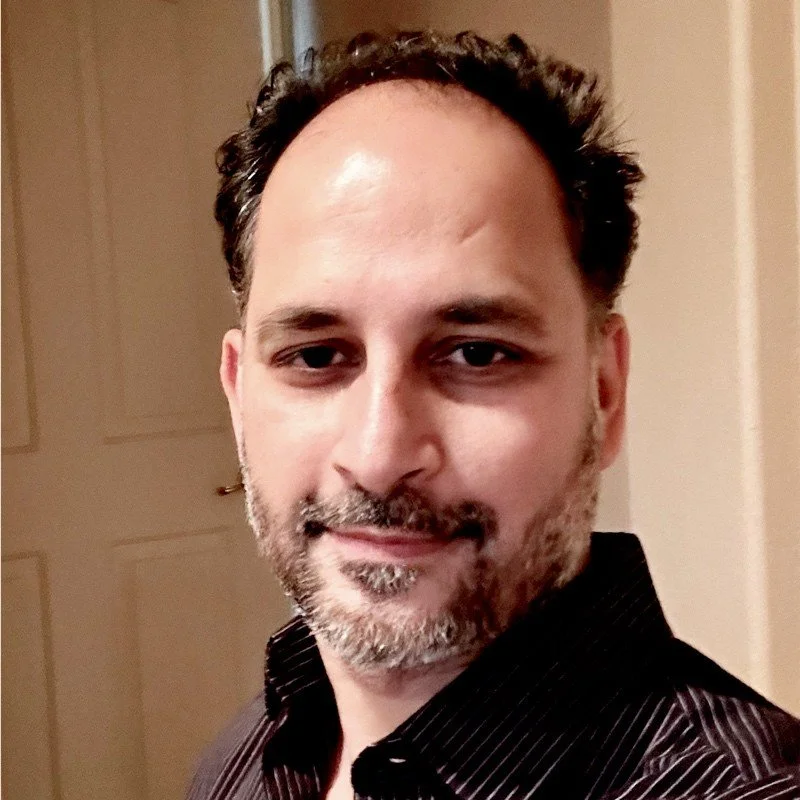
About Dr. Sourabh Kharait
Dr. Sourabh Kharait (MD / PhD) is Clinical Nephrologist and Medical Director of Clinical Trials at Summit Nephrology Medical Group, and the Founder and CEO of IGH Naturals, a platform company that designs Functional Foods and Nutritional products for athletes and patients with chronic diseases. Dr. Kharait is the inventor of the patented MAGNAK electrolyte formula designed to prevent muscle cramps in athletes as well as HuMOLYTE, an electrolyte mix with human milk oligosaccharides. Dr. Kharait has more than a decade of clinical experience caring of patients with electrolyte and kidney problems and he has led numerous clinical trials for patients in the renal and cardiovascular field. He has authored numerous peer reviewed original research articles, book chapters, expert opinions and has advised numerous professional athletes on hydration and nutritional practice.
